
Travel & Lifestyle

Travel & Lifestyle
My travel writing blends sensory storytelling with a wellness lens—exploring spaces that nurture rest, renewal, and reconnection. These stories capture how place, culture, and design shape our inner rhythm.
New Zealand Is One of the World’s Most Accessible Travel Destinations: Here’s How to Experience Every Breathtaking Inch of It
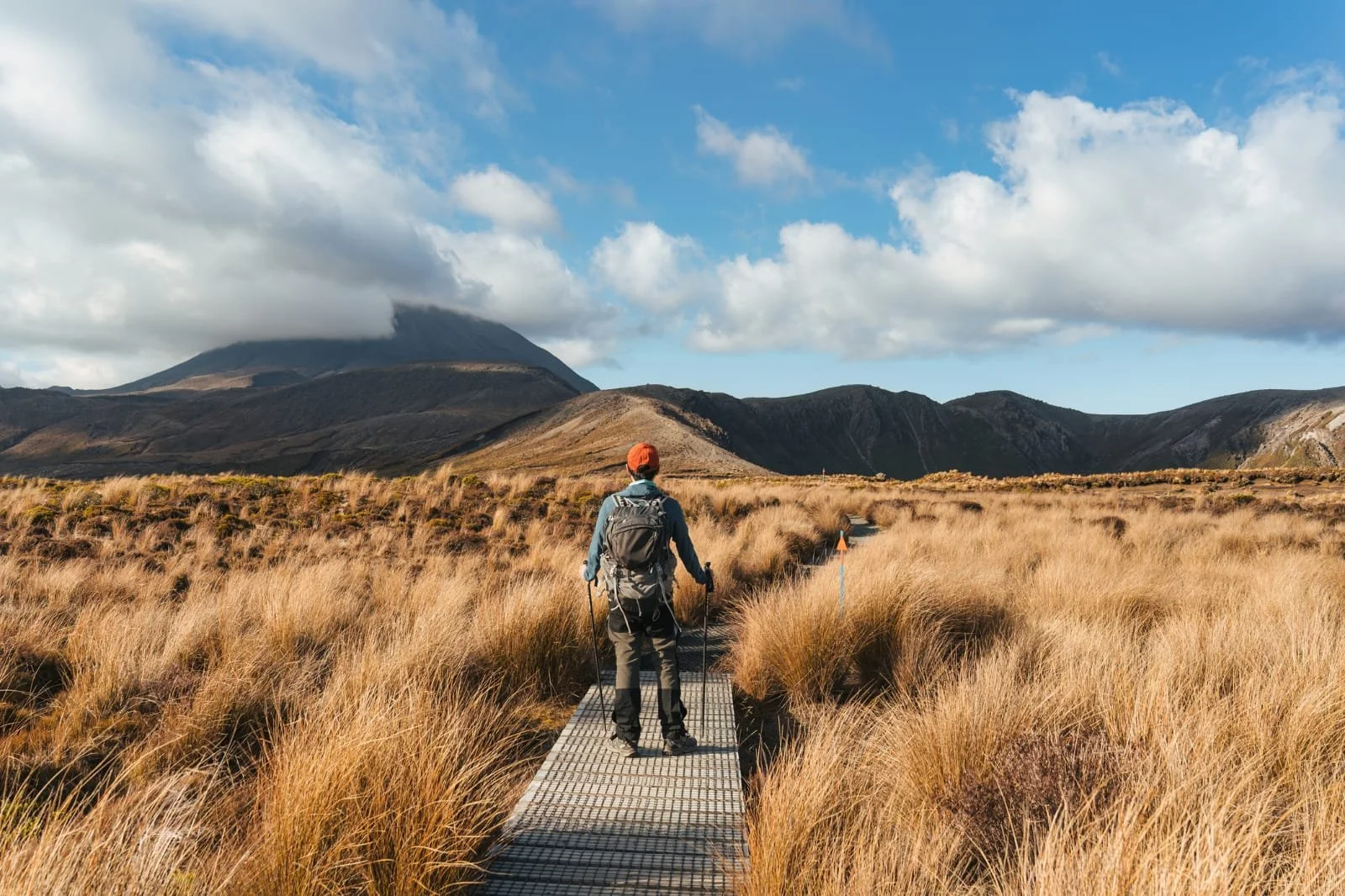
Aotearoa New Zealand has quietly become one of the most accessible travel destinations. The mix of adventure and beauty is a welcome sight for travelers with disabilities and is extraordinary
Immersing in Poça da Dona Beija’s Thermal Paradise After Dark in Furnas
Published on LinkedIn
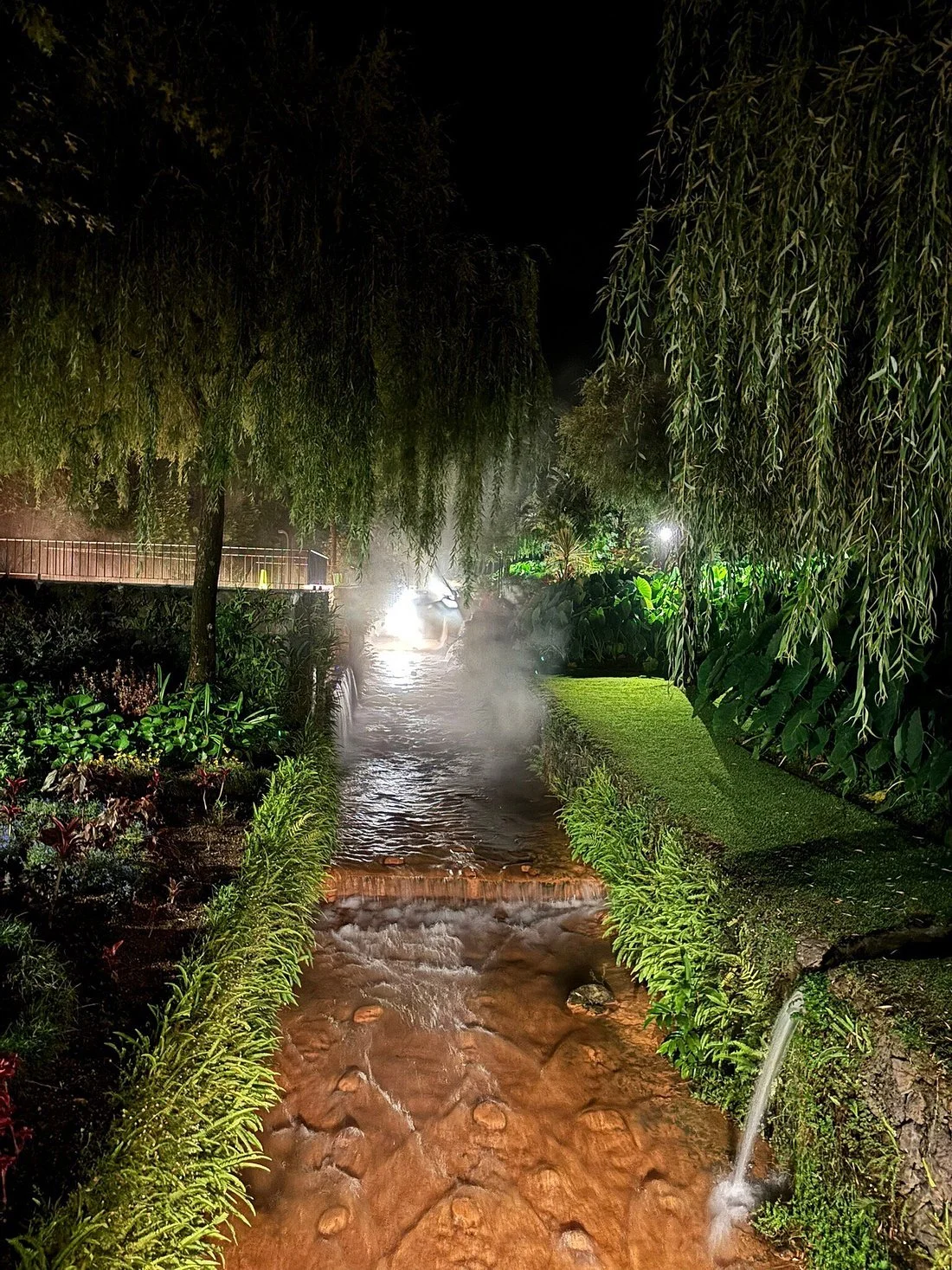
This piece shares a nighttime thermal bathing experience at Poça da Dona Beija in Furnas, São Miguel. It highlights how the warm, iron-rich pools and dark volcanic surroundings create a calming, sensory-rich ritual that supports relaxation, presence, and travel recovery.
How a French vineyard, a curious neurosurgeon, and a patch of California limestone changed the way I think about what is in my glass
About ten years ago, my husband's cousin, a neurosurgeon, stood in a vineyard in the Southern Rhône Valley of France. The estate was Château de Beaucastel, one of the most respected names in Châteauneuf-du-Pape. He was not there as a tourist collecting photographs. He was there the way he approaches everything, with precise and steadfast curiosity about how things work.
What he found in France stayed with him. The idea was that a vineyard could be managed as a living system rather than an industrial one and that the health of the soil was the entire foundation of what ended up in the bottle. He came home talking about it. He is still talking about it now.
It took me years to understand why it mattered so much to him. I am only now, finally, planning to go see the idea for myself.
The Man Who Reads Wine Like a Lab Report
Nine years ago, he and his girlfriend Linda invited Andy and me up to the Finger Lakes for a long summer weekend. We drove from different tasting rooms along that beautiful stretch of upstate New York, allowing us to explore and form our own opinions about the wines we sampled.
Here's the thing about someone who operates on the brain for a living: he isn't casual about evidence. Every day, he makes decisions that demand precision, careful judgment, and a willingness to question assumptions.
That mindset extends well beyond the operating room.
He's an avid wine collector, with shipments arriving from vineyards across the country. He naturally gravitates toward reds, while Linda prefers whites. Over the years, what began as an appreciation for fine wine gradually became something more. He reads. He researches. He compares. He wants to know not just how a wine tastes but how it's made and what the evidence says about the farming practices. His curiosity has transformed a lifelong passion into a thoughtful pursuit.
When he talks about regenerative organic wine now, he is not repeating a trend he read about. He is describing something he first encountered at the source in France a decade ago and has been tracking ever since.
When someone that precise tells you a thing is worth understanding, you pay attention. That is why, when he mentioned he would love to meet us in Paso Robles, I started reading everything I could find.
What Regenerative Organic Certification Actually Means
The word "organic" gets used so loosely that it has nearly lost its meaning. Regenerative organic is different. It is not a marketing phrase; it is one of the most demanding agricultural standards in existence, requiring farms to demonstrate measurable improvements in soil health, animal welfare, and equity for the people who work the land, year over year.
Only a small number of vineyards worldwide have earned Regenerative Organic Certified status. A striking concentration of them sits in Paso Robles, California. That is not an accident.
It shows a deliberate regional decision to treat farming as restoration rather than extraction. And the story of how it started there connects, improbably and beautifully, right back to the French estate my husband's cousin visited a decade ago.
From Beaucastel to a Creek in California
Here is the part that gave me chills when I figured it out. The same family behind Château de Beaucastel, the Perrins, partnered with an American importer, Robert Haas, and went looking for a place in the United States with the same limestone soils and Mediterranean climate as their vineyards in France.
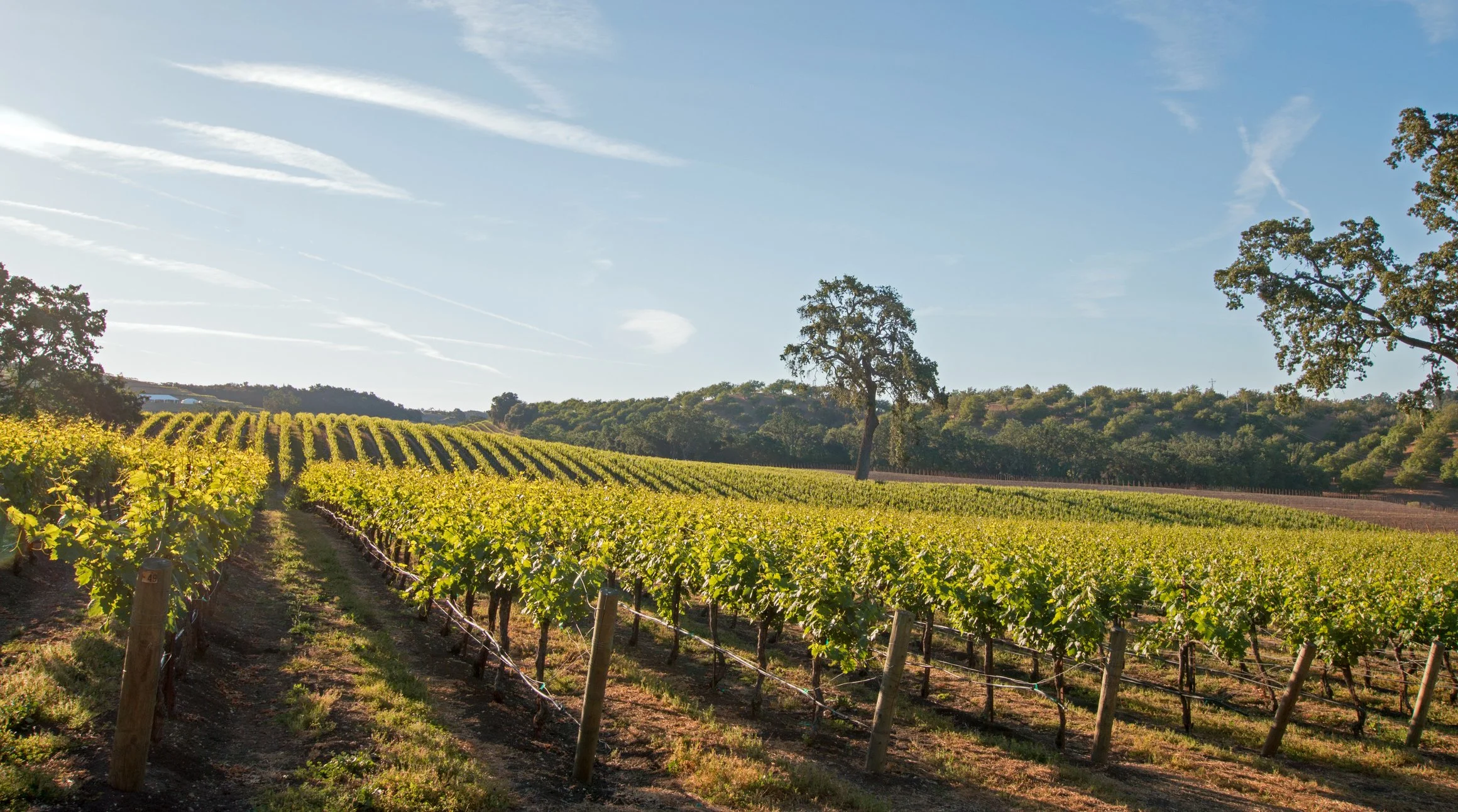
They found it in the Adelaida hills west of Paso Robles. In 1989, they planted a property called Tablas Creek with cuttings imported directly from Beaucastel, quarantined for three years, and planted in an on-site nursery.
French grape cuttings were brought in, along with Rhone winemaking traditions and their farming philosophy that would eventually make history. In 2020, Tablas Creek became the first Regenerative Organic Certified vineyard in the world. In 2022, it became the first to achieve Gold-level certification.
So the idea my husband's cousin discovered standing in a vineyard in France had, unknown to him at the time, already crossed an ocean and taken root in California limestone.
He has never been to Tablas Creek. Neither have I. This October, we are finally going to walk into it together. The origin point of the whole movement, seen for the first time by the person who first opened my eyes to it all at once.
The Glyphosate Question
To understand why regenerative farming matters, it helps to look at what it leaves behind, or rather, what it doesn’t.
Glyphosate, the active ingredient in Roundup, is the most widely used herbicide in the world. In 2015, the World Health Organization classified it as a probable human carcinogen. The research continues to evolve, and scientists still debate its long-term effects. What isn’t debated, however, is that traces of glyphosate have been found in wine.
In 2019, the U.S. PIRG Education Fund tested 20 beers and wines. Nineteen contained detectable levels of glyphosate. Even the organic wines weren’t completely free of it, although the amounts were significantly lower.
It’s also important to keep this in perspective: every sample tested was well below current federal safety limits. You would have to drink an unrealistic amount of wine to approach those limits from a single exposure.
But I’ve spent my career in healthcare, and one thing I’ve learned is that we rarely look at one exposure. We ask what happens after years of small, repeated exposures. What does the cumulative picture look like over a lifetime?
That’s a question we still don’t have a complete answer to.
What we do know is that regenerative organic vineyards take a different approach from the start. They eliminate synthetic herbicides altogether and rely instead on compost, healthy soil, biodiversity, and natural systems. As the soil recovers, insects return. Birds return. The vineyard becomes a balanced ecosystem, working with nature instead of trying to control it with chemicals.
A Movement That Spread
What Tablas Creek started in 2020 did not stay contained to one vineyard. It spread across Paso Robles. Halter Ranch, a 2,700-acre estate on the west side of the region, earned its own Regenerative Organic Certification in December 2024.
In early 2026, Halter Ranch became the first winery in Paso Robles to earn Glyphosate Residue Free certification from an independent verification body. Less than ten percent of that estate has been developed. The rest is preserved as wildlife habitat, oak woodland, and open space.
Halter Ranch did not invent this; however, this is what a real movement looks like: one pioneering vineyard becomes five, and a certification most wineries would never even attempt becomes a regional identity. Paso Robles has quietly become one of the most important regenerative wine destinations anywhere in the world.
Why This Is the Wellness Story Worth Telling
The wellness travel market reached hundreds of billions of dollars globally in recent years. The travelers driving this movement eat organic food at home, read labels, and when dining out, ask restaurants where the fish came from.
It was only a matter of time before they brought the same questions to wine country. What is actually in this bottle? How was the soil treated? Is there a real difference between what I drink here and what sits on the shelf at home?
In Paso Robles, the answer appears to be increasingly and verifiably yes. A documented, independently certified yes. The soil is being restored, not merely maintained. That is the story underneath every glass poured there, and it is a story that started in a French vineyard my husband's cousin happened to visit a decade ago, carried across an ocean by a family who believed the land came first.
Some things you cannot learn from research alone. You have to stand in the vineyard, next to the person who first taught you how to see it, and find out for yourself. I am looking forward to doing exactly that. And I have a feeling it will be the first of many stories this place has to tell me.
The Wellness Story No One Is Telling About Wine Starts in the Soil
Published on Medium

Hiking in Sedona Therapeutic Reset: Red Rocks, Vortex Energy, and Mindful Movement
Published on Medium
Set among Sedona’s iconic red rock formations, this article explores hiking as a form of therapeutic reset. This piece examines how intentional walking in nature and mindful movement can support mental clarity and nervous system regulation. Drawing on sensory awareness and the calming effects often associated with Sedona’s vortex sites can leave the participant with renewed clarity both on the trail and at home.
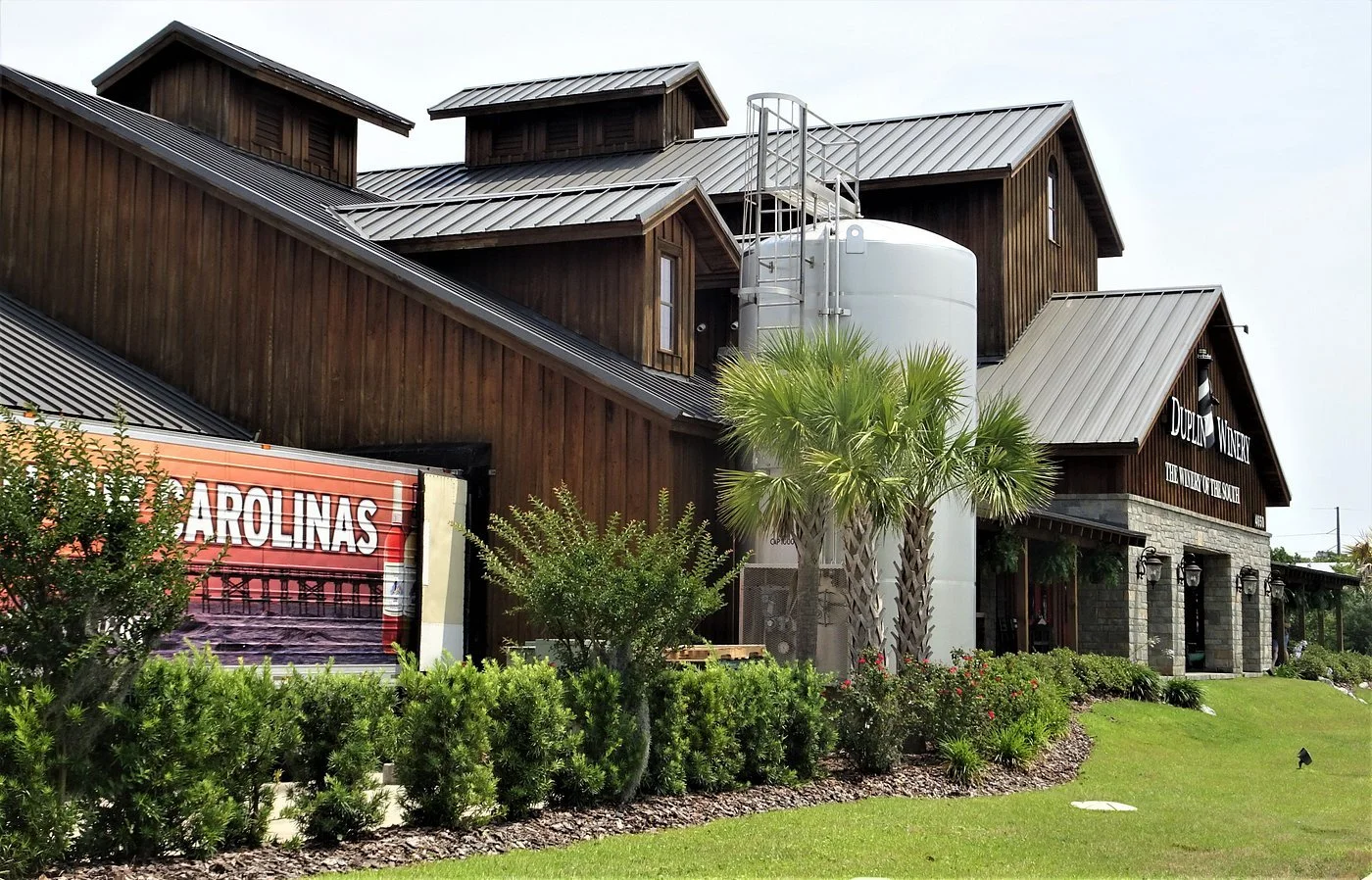
Southern Charm Uncorked: How Duplin Winery Brings Wine Country to Myrtle Beach
Originally published in The Distillery Channel Magazine (2017)
This article explores how Duplin Winery brings an approachable, Southern take on wine culture to Myrtle Beach. It highlights the winery’s hospitality-driven model, regional identity, and role in making wine tasting accessible beyond traditional wine-country destinations.

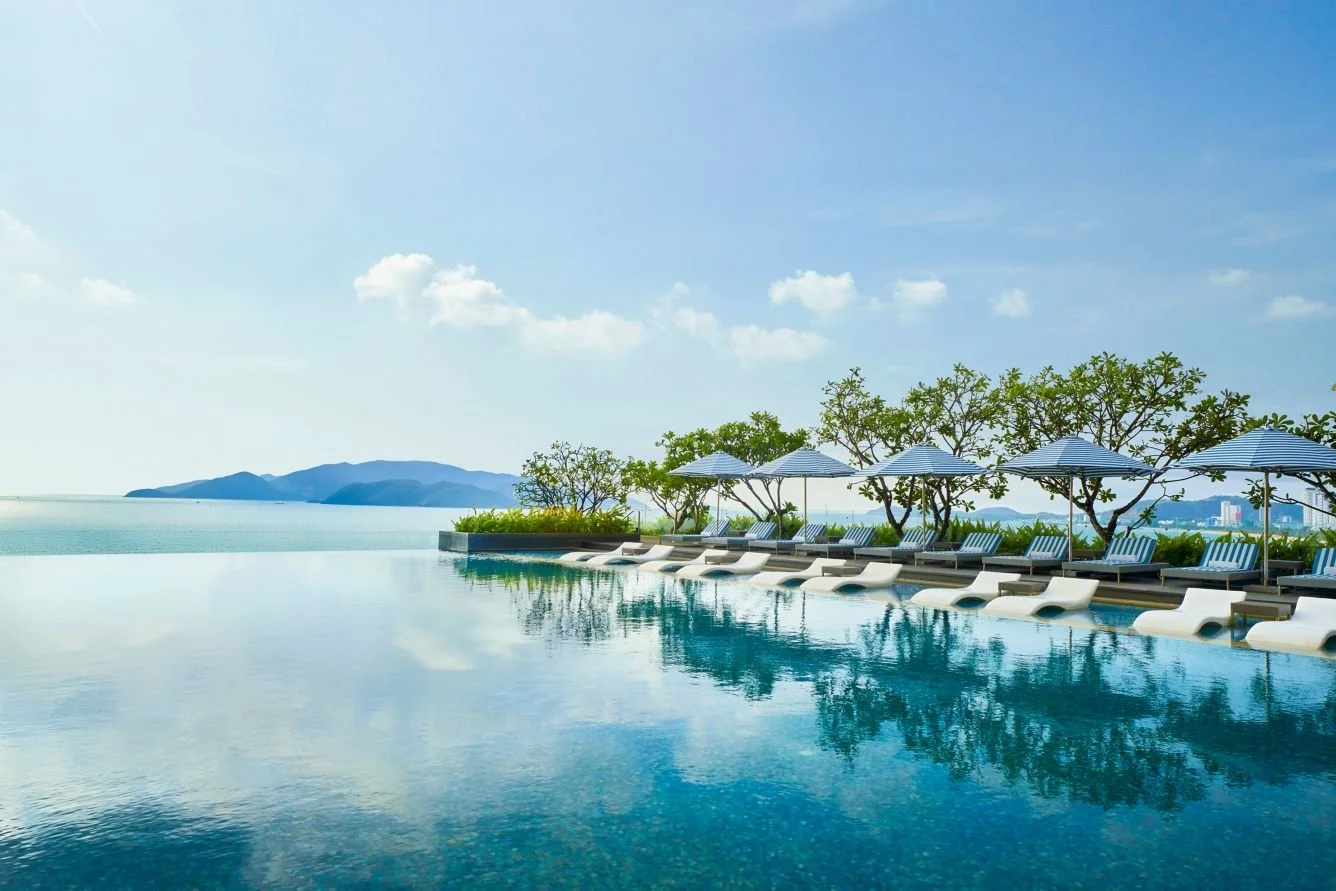
Why Sheraton Nha Trang Sets a New Standard for Corporate Wellness Retreats in Asia and Wellness-First Design
Published on LinkedIn
A deep dive into how Sheraton Nha Trang blends local culture, neuroscience-informed design, and recovery-focused programming to redefine executive retreats. Highlights the hotel’s innovative approach to wellness architecture and experiential travel incentives.